
Luxury & Exotic Car Rentals in Germany
Browse 28 luxury and exotic car rental companies across 7 cities in Germany.
North Rhine-Westphalia
Browse this state →Baden-Wurttemberg
Browse this state →National Market Overview
The Germany Exotic Car Rental Market
National pricing, fleet trends, and regional differences across 7 cities
The National Market
Germany has 28 verified exotic rental companies across 7 cities. Munich leads with 11 listings and is the clear centre of the German market, followed by Frankfurt (6) and Berlin (5). Hamburg and Cologne each have 2. Stuttgart and Dusseldorf have 1 listing each — enough to find a car if you're based there, but not enough to comparison-shop or negotiate on price. That top-heavy distribution means Munich is the only German city where you have genuine fleet choice. The national market is small relative to France or Spain, but what it offers that no other country does is Autobahn access — the de-restricted sections outside Munich are a legitimate reason to rent a Ferrari in Germany rather than anywhere else in the world.
What's In The Fleet
Ferrari leads German fleet counts at 68 vehicles across 28 companies, followed by Lamborghini (45) and Porsche (43). Mercedes-Benz sits at 33, Rolls-Royce at 27, BMW at 22, McLaren at 21, and Bentley at 20. Audi rounds out the fleet at 15. Porsche's position at third — ahead of Mercedes-Benz and BMW — reflects German market taste: local clientele skew toward performance over ceremony, and the 911 and Panamera rent well here alongside Italian exotics. Bugatti appears with 7 vehicles in the fleet data, an unusually high count for any single market; several Munich operators list Chiron availability for renters who want to use the Autobahn the way it was designed to be used. Aston Martin (12) offers a British alternative if the Italian shortlist is fully booked.
Price Reality Check
German exotic rental pricing sits broadly in line with other major Western European markets. A Lamborghini Huracán runs approximately €800–€1,200/day in Munich; a Ferrari F8 or 488 is €900–€1,400/day; a Porsche 911 GT3 starts around €600–€900/day. VAT in Germany is 19% — lower than France (20%) and significantly lower than Italy (22%). Under German consumer pricing law, VAT is typically included in advertised rates, but some operators quote ex-VAT for corporate clients: confirm which figure you're looking at before comparing quotes. Security deposits are typically €3,000–€8,000 depending on vehicle. One Germany-specific consideration: operators vary on Autobahn de-restricted sections — some allow it freely, others explicitly prohibit speeds above 200 km/h in the rental agreement. Read the contract before you discover this at 250 km/h.
Driver Requirements
A valid EU driving licence is required for EU residents. Non-EU visitors need a valid licence from their home country; most German operators accept US, UK, Australian, and Canadian licences without a separate IDP for tourist rentals, but requirements vary by company — confirm before booking. Minimum age is 25 at most operators; some accept 21–24 with a daily surcharge of €50–€150. Clean record requirements are standard. If your licence is not in Latin script, carry a certified translation or IDP regardless of what the company says it accepts — German rental companies have been known to refuse non-Latin licences at pickup even when the booking confirmed otherwise.
Regional Differences That Matter
Munich is the only German city with enough inventory to meaningfully compare operators. It has two clear demand peaks: Oktoberfest (late September through mid-October), when the city fills with international visitors and operators book out weeks ahead; and summer months when tourists combine Bavaria with broader European itineraries. Frankfurt's 6 listings serve business travellers and event crowds around the biennial IAA Frankfurt Motor Show (held in September in odd years — the next one is September 2025). Berlin's 5 listings are workable but urban driving limits the appeal: the city is grid-and-light traffic rather than open road. Stuttgart has one listing — functional but don't expect to shop around, which is a genuine gap given that Porsche and Mercedes-Benz are headquartered there. For the best driving, base in Munich: the Alps are 90 minutes south, the Autobahn network is dense, and B2/B11 through the Bavarian countryside is legitimately one of Europe's best driving roads.
The Honest Take
Germany's exotic rental market is smaller than the country's automotive reputation would suggest, and outside Munich the inventory is genuinely thin. But Munich delivers, and the Autobahn access is a real differentiator — there is nowhere else you can legally drive a Lamborghini flat-out on public road without looking over your shoulder. The Stuttgart gap is worth flagging: the spiritual home of two of the world's great car brands has one rental listing. Budget carefully for the 19% VAT if quotes arrive ex-tax, and read the Autobahn restrictions in your specific contract before assuming unlimited speed is included.
Browse verified exotic rental companies across Germany.
Luxury Car Rental Guides
View all guides →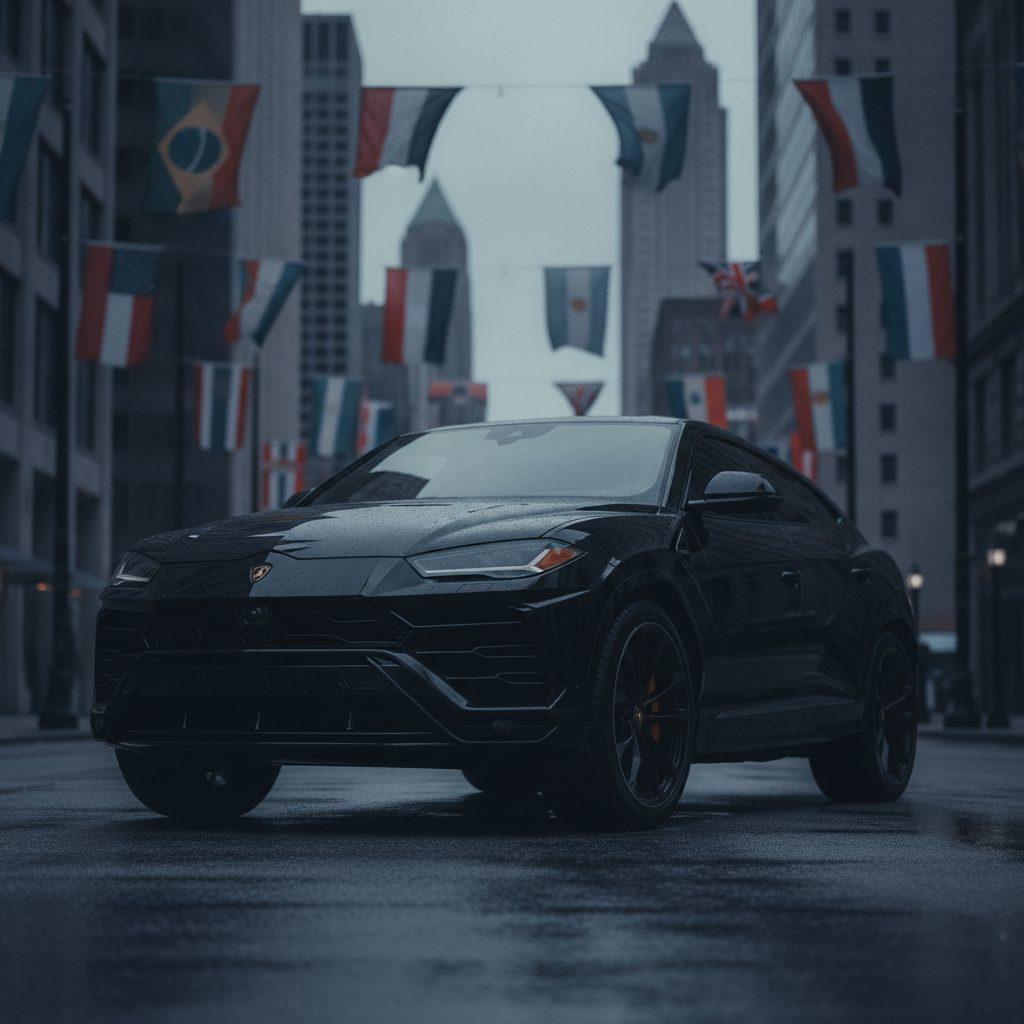
June 13, 2026
Renting an Exotic Car for the 2026 World Cup: Host-City Prices and the Catch
The 2026 World Cup lands in nine cities where exotic rental is already huge — Miami, LA, New York, Houston, Dallas, Atlanta, Boston, Toronto and Vancouver. Here's what fleets cost during the tournament, when they sell out, and why a supercar near a stadium on match day is slower than the bus.
Read Article →
April 9, 2026
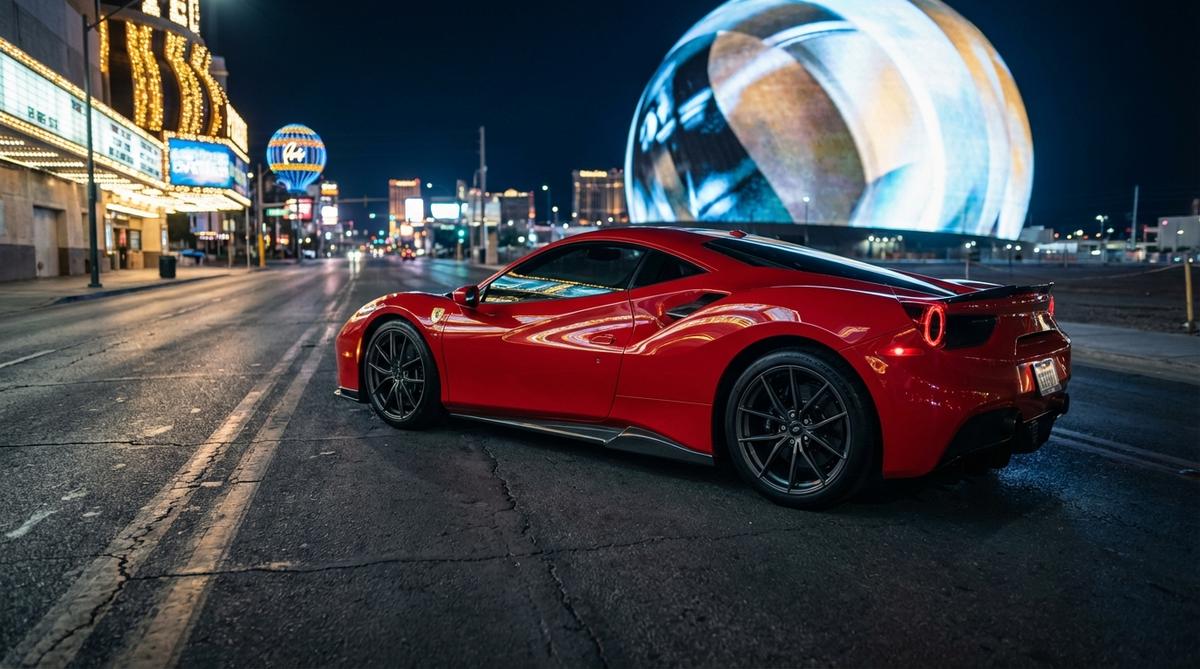
Vegas Formula 1 Weekend: Exotic Rental Prices Double — Here's Why
Formula 1 Las Vegas sends exotic rental prices up 80–120% for three days every November. Here's what drives the spike, when to book, and what happens to Strip traffic.
Read Article →
April 7, 2026
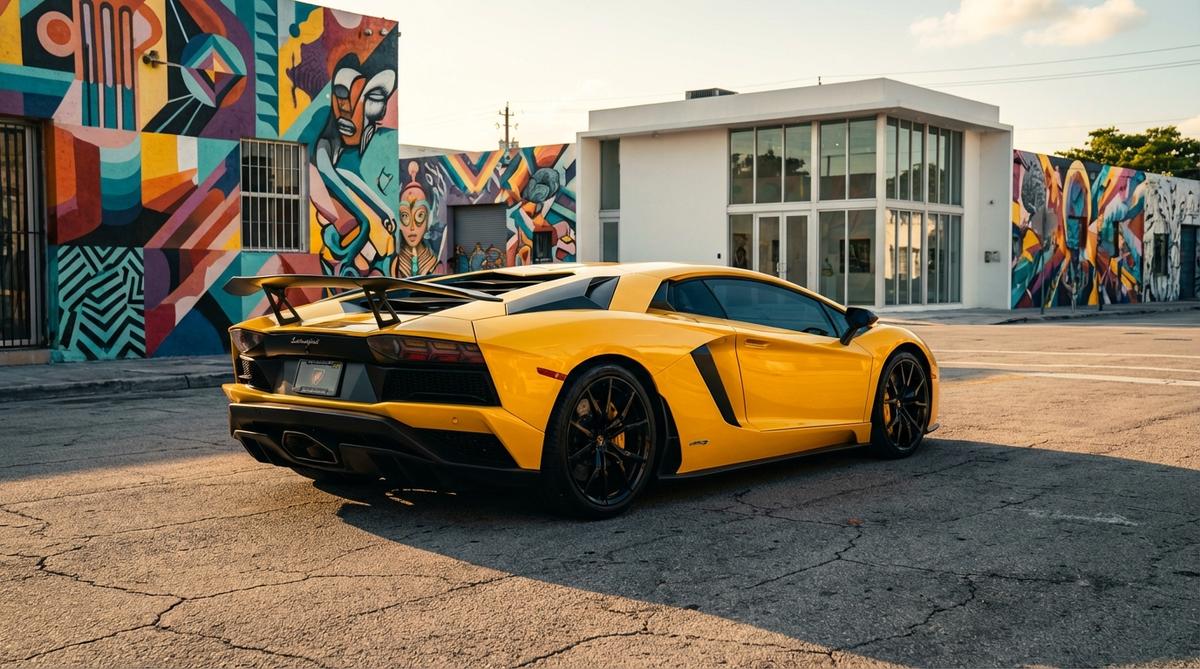
Miami Art Basel Week: Exotic Rental Pricing Reality Check
Miami exotic rentals spike 40–80% during Art Basel week. Here's how operators manage inventory, what the premium actually buys, and whether it's worth booking anyway.
Read Article →